





Introduction
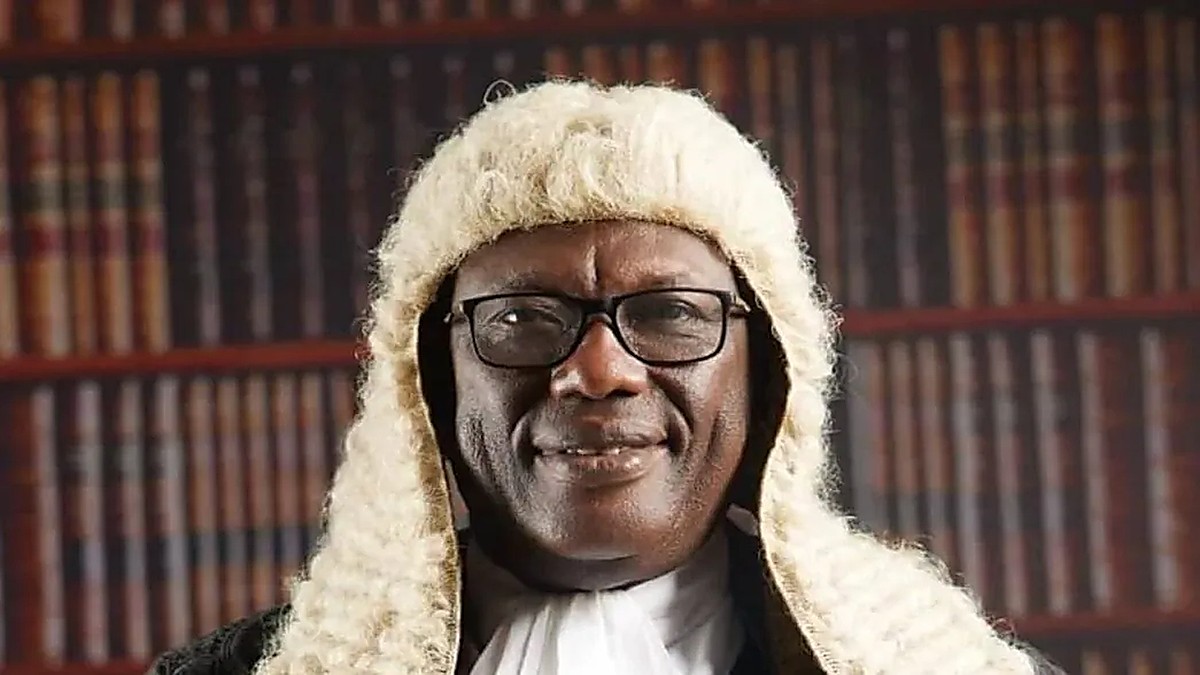
From time to time, the Legal Practitioners Disciplinary Committee (LPDC) treats cases of professional misconduct against erring lawyers. But hardly would you find the LPDC wielding the rod against prominent and influential lawyers like Chief J. K. Gadzama OFR, MFR, SAN. He is a man of height who has attained great heights in the legal profession.
Interestingly, considering the status of lawyers like Chief Gadzama, in the unusual event where an allegation of misconduct is leveled against them, an average lawyer or a member of the public may ordinarily predict that little or nothing would come out of it. This explains why when Chief Gadzama made headlines for being found guilty of professional misconduct by the LPDC, it had chilling effects on many Nigerian lawyers.
Chief Gadzama was not the only lawyer found culpable by the LPDC in the case. Actually, he was the 2nd Respondent in the matter. The 1st Respondent, Ocha P. Ulegede Esq., another legal practitioner (though of unequal feathers compared to Chief Gadzama), was also found guilty of misconduct by the LPDC but his name did not appear on the forehead of the media.
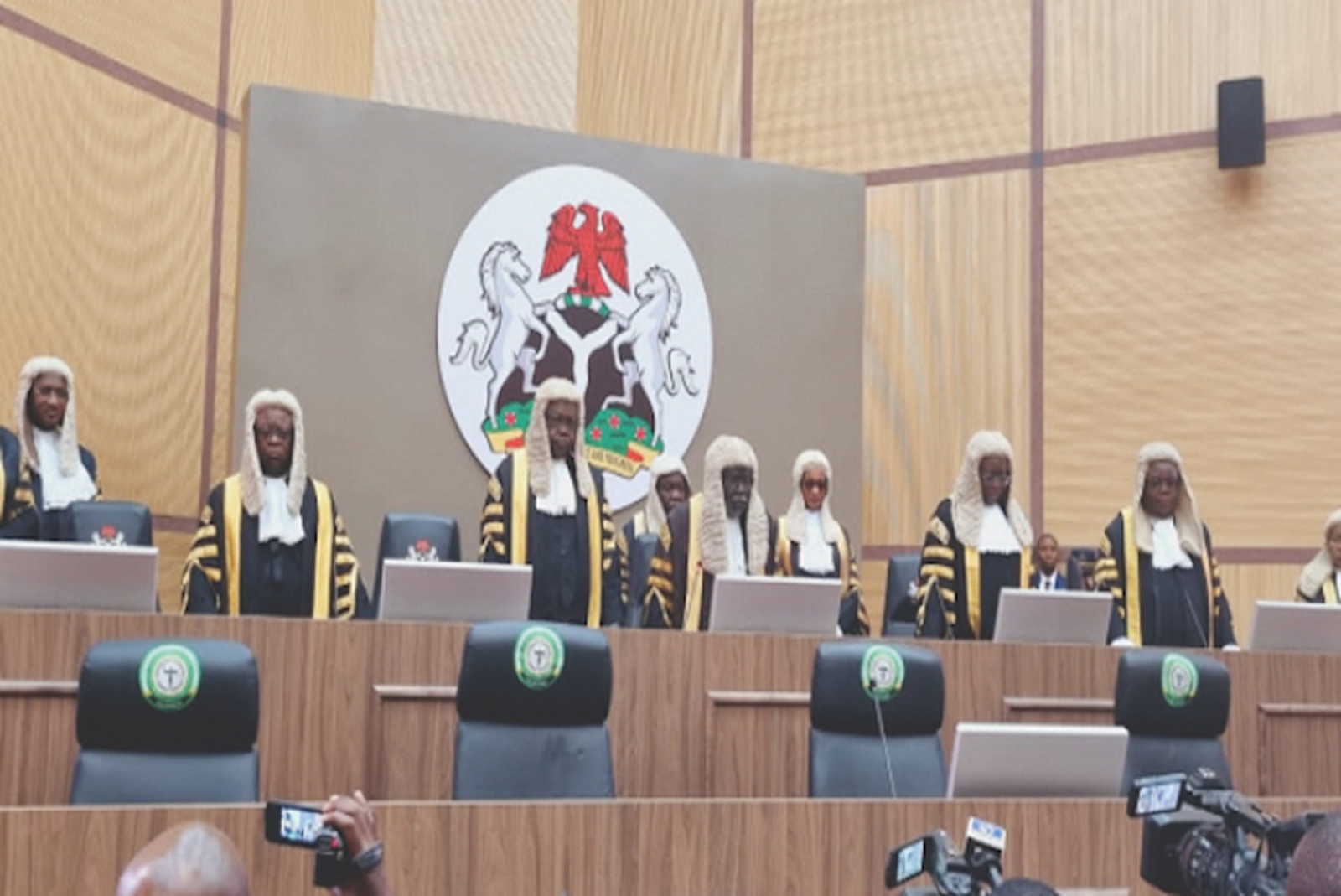
From the reports, Chief Gadzama has expressed his desire to appeal against the LPDC’s decision that he violated some ethical rules leading to his three-year suspension. However, notwithstanding his right to appeal, it is clear the LPDC has sent strong chills down the spines of Nigerian lawyers. With its bold decision to suspend one of Nigeria’s foremost litigators, the message is clear: There are no sacred cows—or there would be none anymore.
If the LPDC’s most recent sanction is anything to go by, the LPDC has raised the bar of ethical standards for members of the Bar. Undoubtedly, with the current development, many legal practitioners would be drawn to revisit the Rules of Professional Conduct (RPC) and get refreshed by its provisions.
Background Facts Leading to the LPDC Case
In 2001, the Nigerian military under the Olusegun Obasanjo administration invaded a town in Benue State known as Zaki Biam and massacred hundreds of people. This invasion was in the form of a reprisal attack following the killing of about 19 soldiers by armed militia. The soldiers were on a peacekeeping mission in the area to contain the intercommunal conflict between the Tiv and Jukun ethnic groups.
Some of the survivors and family members of the dead victims of the military action commenced court action against the Federal Government to claim damages for their huge losses. The named plaintiffs were about 14 and were represented by a lawyer—Mr. Ocha Ulegede. In 2007, the Federal High Court awarded the sum of N41.8 billion as damages. This judgment sum, eventually, laid the foundation for the troubles that were to come.
While Mr. Ulegede was seeking to enforce the judgment; 5 out of the 14 Plaintiffs (now Judgment Creditors) were no longer satisfied with his services. Consequently, they hired another lawyer, Mr. Chris Alashi, to represent their interests. Mr. Ulegede initially refused, in a questionable fashion, to work with Mr. Alashi but eventually agreed following external interventions. Meanwhile, the Federal Government had lodged an appeal against the Judgment. This led to negotiations that saw to an amicable settlement in 2015 whereupon the Judgment Creditors agreed to receive N8 billion as against the N41.8b awarded by the trial Court. Consent Judgment in this regard was accordingly entered by the Court of Appeal.
It was at this point that Chief Gadzama entered the scene in a controversial fashion. He claimed his law firm was briefed by all the Judgment Creditors to apply to set aside the Consent Judgment and recover the full N41.8b. This naturally triggered an attempt to displace Mr. Ulegede and Mr. Alashi as counsel to the Judgment Creditors. You can guess what followed? Petition.
Complaint at the LPDC
Clearly displeased, Mr. Alashi lodged a complaint at the LPDC in 2024 challenging the conduct of Mr. Ulegede (1st Respondent) for his role in the matter relating to the enforcement of the Judgment and the conduct of Gadzama (for “poaching/hijacking” his clients).
After due consideration, the LPDC found Mr. Ulegede and Chief Gadzama liable for breaching the RPC based on “overwhelming documentary evidence.”
The Relevant Rules Violated/LPDC Findings
Specifically, the LPDC found that Gadzama had breached Rules 1, 27(1) and 29(1)(b) of the RPC when it held at page 68 of the Final Direction (delivered on 29 July 2026) as follows:
“We the members of the Legal Practitioners Disciplinary Committee also find JOE-KYARI GADZAMA, SAN, a lawyer, called to the Bar with enrolment No. 007748 liable of misconduct contrary to Rules 1, 27(1) and 29(1)(b) of the Rules of Professional Conduct for Legal Practitioners, 2023 punishable under Section 12 of the Legal Practitioners Act, Cap. L11 LFN 2004 (as amended).”
Rule 1 provides:
“A Lawyer shall uphold and observe the rule of law, promote and foster the cause of justice, maintain a high standard of professional conduct, and shall not engage in any conduct which is unbecoming of a legal practitioner.”
Rule 27(1) states:
“A lawyer shall observe good faith and fairness in dealing with other lawyers.”
Rule 29(1)(b) provides:
“Where a client changes his lawyer on a pending matter, the new lawyer shall—(b) use his best endeavours to ensure that the former lawyer is paid his earned fees.”
Chief Gadzama was held to have violated the above rules on the basis that he had “hijacked” another lawyer’s clients. At page 60 of the LPDC’s Direction, the LPDC held:
“No Counsel must be seen poaching, hijacking/enticising or wrestling briefs from another counsel. We have traversed the processes and found overwhelming documentary evidence establishing the allegation of poaching and hijacking of clients against the 2nd Respondent [Gadzama].”
At page 67, the LPDC continued:
“We are satisfied…that the 2nd Respondent [Gadzama] is guilty of denigrating the Applicant’s (Mr. Alashi’s) standing and poaching his clients by enticing them with money and gradually winning some of them over and those that still rejected him, he made Respondents.”
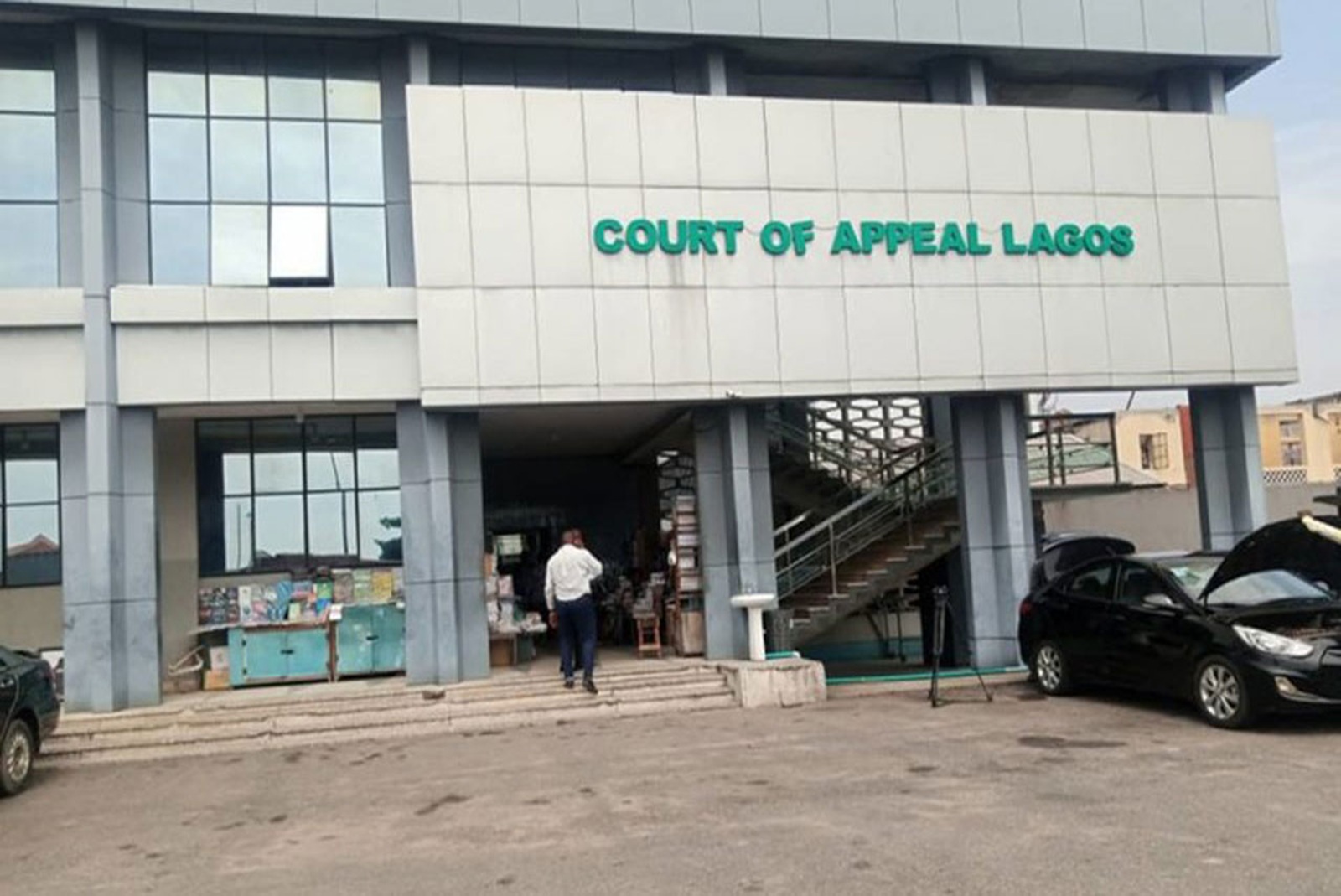
Interestingly, the LPDC found that the Court of Appeal had dismissed Chief Gadzama’s application which sought to set aside the Consent Judgment. Irked by the conduct of the Learned Silk, the Court criticised him for his ‘despicable role’ in spite of his status as a role model to many.
The LPDC further found that in 2017, Gadzama filed an appeal to the Supreme Court. Dramatically, the Judgment Creditors on whose behalf the appeal was purportedly filed withdrew the appeal by themselves on the ground that it was filed without their consent and authority, and that they had asked Gadzama to withdraw the appeal but he declined. Incredibly, Chief Gadzama was said to have filed an amendment, moving the names of the protesting Judgment Creditors to the side of the Respondents.
Other findings led the LPDC into insisting that Chief Gadzama had some questions to answer as it relates to allegations of forgery with respect to the signatures of some of the Judgment Creditors he claimed instructed him. For instance, according to the LPDC, the letter of instruction produced by Chief Gadzama was on the letterhead of Benue Development Movement, a non-party to the proceedings. One of the signatories who was also one of the Judgment Creditors, Zaka Kaduna Mazan, was long dead when the document was purportedly signed by him. There was also evidence to show inconsistencies in the signature of another Judgment Creditor.
Conclusion
I reasonably believe that Gadzama, as a distinguished Senior Advocate and a man bestowed with national honours, has the capacity to press the weight of his status on the Government to recover the N41.8b.
Clearly, the problem was not in Chief Gadzama’s attempt to set aside the Consent Judgment which was to the tune of N8b. Afterall, on a strong evidence, and display of ingenious advocacy, such a move may fly. But what will not fly is any attempt to introduce a hideous strategy.
Therefore, the real issue was the grave allegation that Chief Gadzama “poached” and “hijacked” some of the Judgment Creditors who were the clients of other counsel, Mr. Ulegede and Mr. Alashi (the Applicant). Also problematic was the finding that some of those Chief Gadzama sought to represent in court totally disclaimed and rejected him. In the words of the LPDC, Chief Gadzama “desperately barged into the case of the Judgment Creditors. Up to 31st January, 2019, some of them continued to resist and reject his representation.”
Power and influence can push you to either the edge of glory or the opposite direction. You need to know when to apply the brakes. It is your decision to run your race with grace, and preserve your legacy.