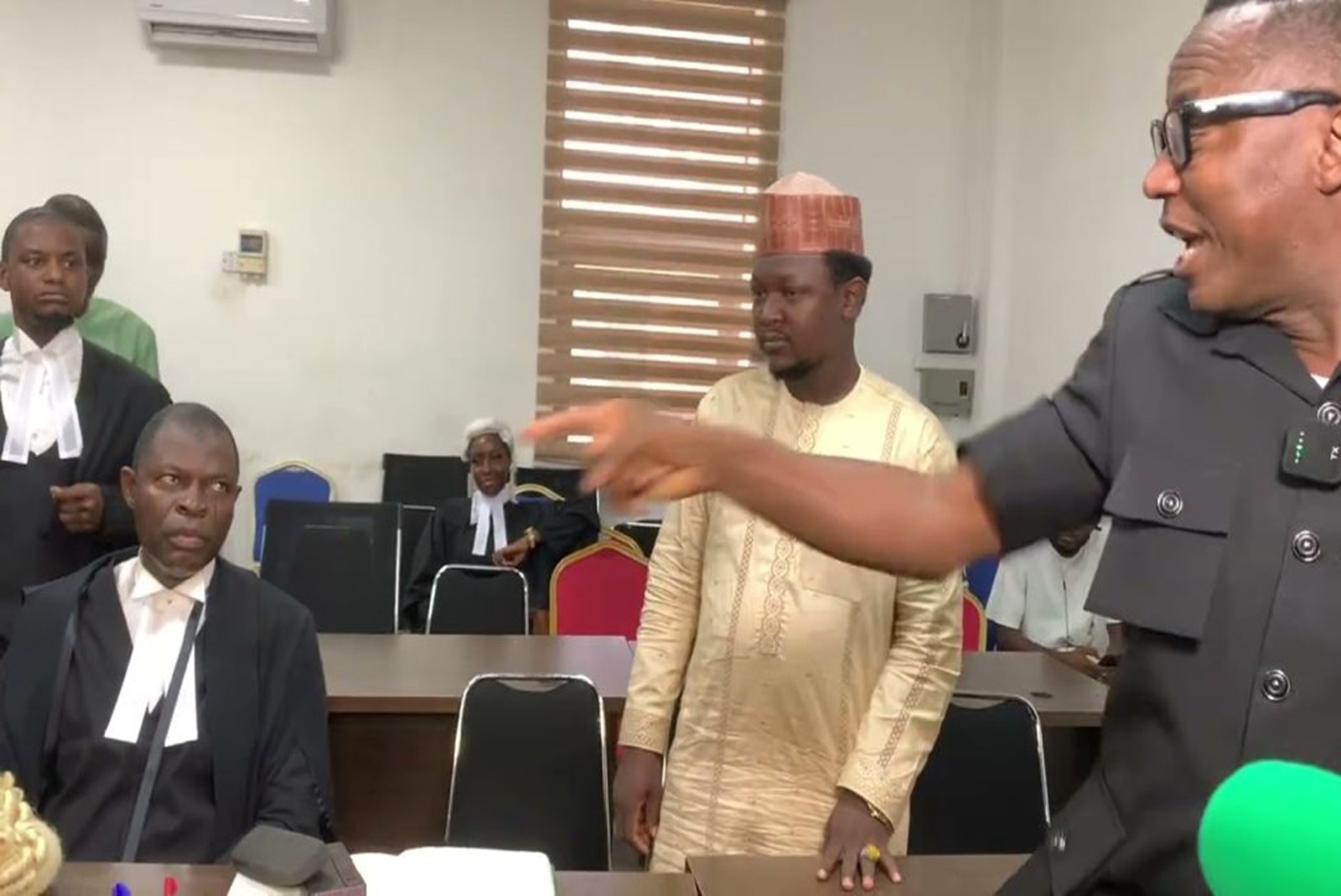

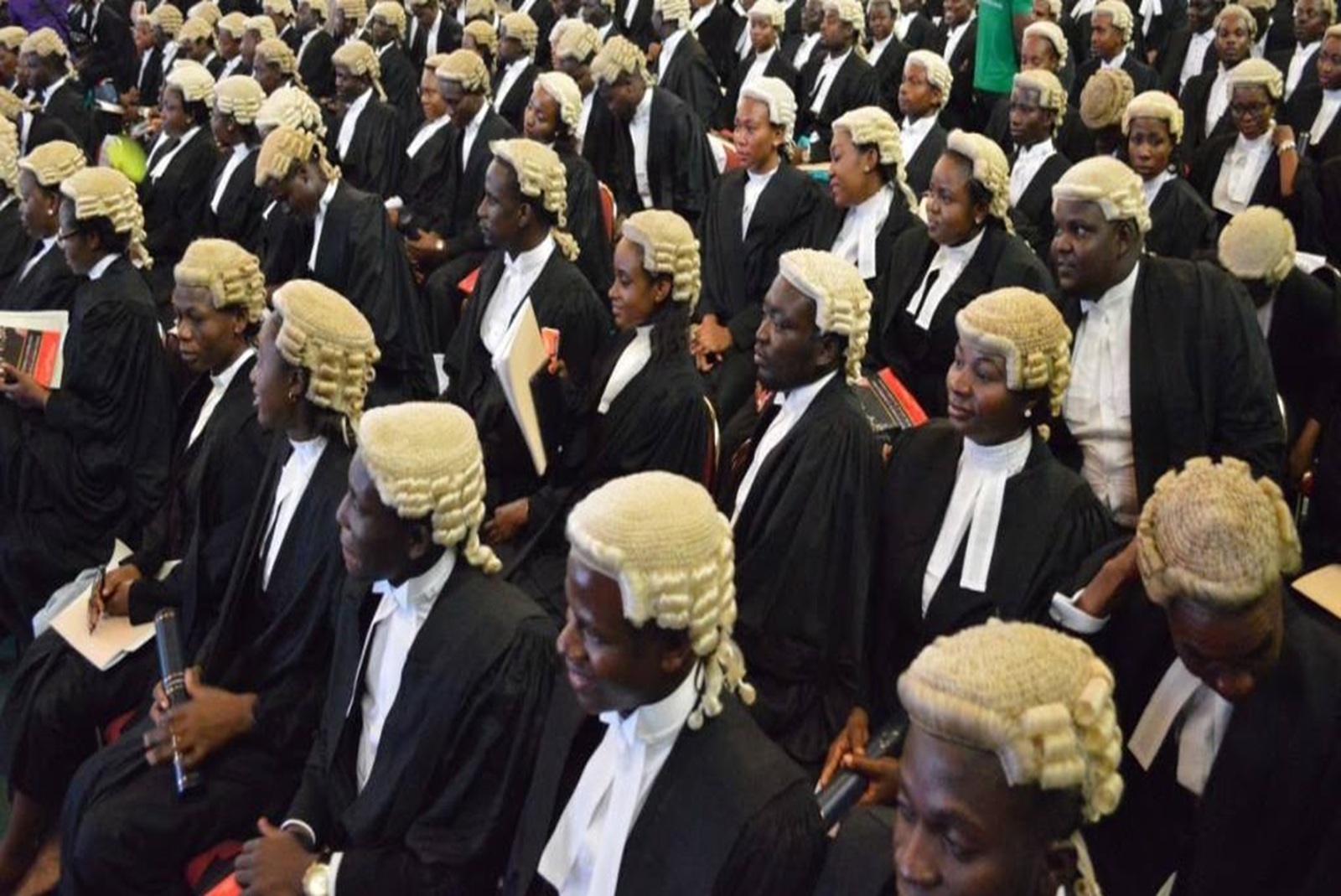




Nigerian politician and human rights activist, Omoyele Sowore, was recently seen in a trending video having a confrontational argument with a Senior Advocate of Nigeria inside the courtroom. The subject of controversy was that Sowore was attempting to grant an interview to members of the press inside the courtroom of the Federal High Court sitting in Abuja. The Senior Counsel made efforts to stop Sowore and the press members from continuing with the interview. Sowore resisted. So too the members of the press who had insisted that the Senior Lawyer should explain the legal basis for attempting to stop the interview.
While the Senior Advocate tried to offer explanations touching on the status of the court, Sowore and the press crew would have none of that. They expressed the view that so long as the presiding judge was yet to enter the courtroom, they reserved the right to conduct the interview on the ground that the court is a public place. They contended that notwithstanding that the Senior Advocate was a lawyer with special privileges, other members of the public have special rights to attend court, sit in the gallery, and conduct press interviews as they may desire.
Every effort made by the Senior Advocate to discourage Sowore and the press members from conducting the interview was turned into a show of chaotic disorder and inciteful comments. This continued unabated until a court orderly was seen urging everyone involved to maintain decorum as she announced the imminent arrival of the judge.
The Court is not a Market Square
The court is like a market square. It shares certain things in common with a market square. For instance, both are public places which can be accessed by members of the public. Some courts are located in the central areas of the city just like most market squares. Court proceedings and market square activities are conducted in the open. Courts and market squares play great roles in advancing commercial objectives. While the market square is the centre of commerce, the court sees to the enforcement of contracts and interpretation of commercial laws, resolving commercial disputes and ensuring fair competition.
But the court is not a market square. Both are diametrically different. While you may attend a market square voluntarily to transact business or for other social engagement, you may find yourself in court for adjudication of dispute or criminal trials based on court’s command usually contained in a Writ of Summons (or other documents known as originating processes) or charges.
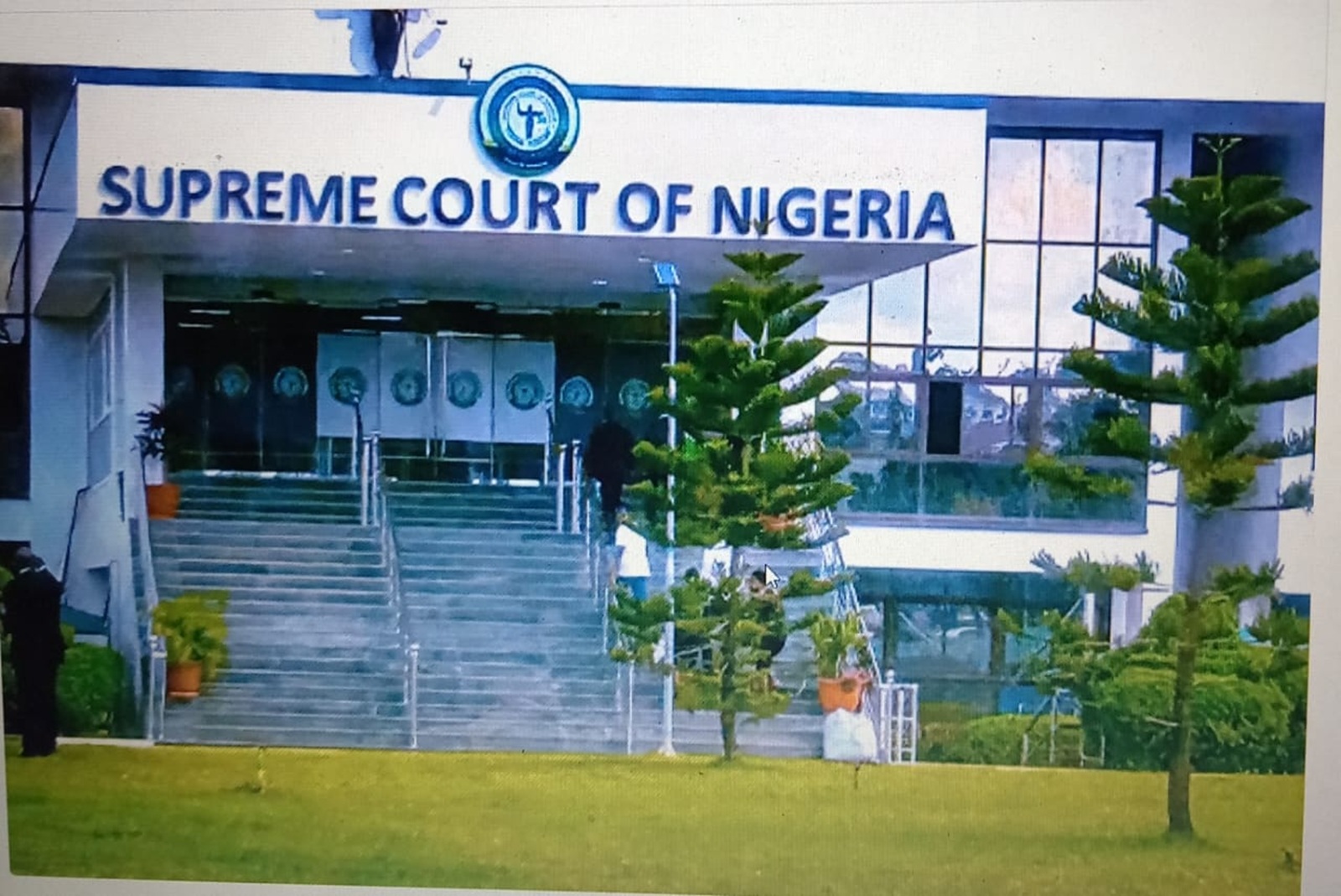
All courts in Nigeria are created by law. The Nigerian Constitution 1999 (as amended) creates courts known as superior courts of record under Section 6. These include the Supreme Court (the highest court in the order of hierarchy), the Court of Appeal, Federal High Court, High Court of the Federal Capital Territory/States, National Industrial Court, etc. In addition, there are other specific laws which were enacted to provide other fundamental details which aid the operational efficiency of these courts for the smooth administration of justice. For example, we have the Supreme Court Act, the Court of Appeal Act, the Federal High Court Act, the High Court Laws of the respective states, etc. Market squares do not enjoy similar statute-backed formal structures like the courts.
Market transactions are mostly based on the sale of goods and services. Although some courts are regrettably involved in the “sale” of justice like wares, the real business of the court involves the conduct of judicial proceedings which include the presentation of one’s case and evidence, legal arguments and submission, and the delivery of judgments, making of pronouncements and issuance of orders.
While markets are defined by noise and bustling activities taking place in open-air, the courts are usually indoor places of absolute decorum, solemnity, restricted movement, order, formal protocols and established procedures.
Are Press Activities Permitted in the Courtroom?
It is a given that the courtroom is a special place for the conducting of special business of judicial proceedings. This business does not include media activities such as the conducting of press interviews whether by legal practitioners present or other members of the public present in court. The courtroom is not an extension of the pressroom for media activities. It is immaterial that the judge is absent in the courtroom. It is not only the presence of the judge that commands the solemnity and decorum which the court atmosphere is known for. Otherwise, in the absence of a judge, commercial activities can as well be conducted in a courtroom as if in a market place. But as we have seen, the court is not a market square. The dignity of the court must be maintained by all and sundry always.
Part III of the Federal High Court Act provides for the “Sitting and Distribution of the Business” of court. Section 23 made reference to “every proceeding” in the Court and “all business” arising from such proceedings, and states that same must be “heard and disposed of by a single Judge.” There is nowhere under the Federal High Court Act where it was provided that the business of the court or proceedings shall include the business of the media or the grant of interview to the press.
Undoubtedly, the law permits media freedom for the reporting of judicial proceedings in public interest, and in order to ensure transparency, accountability, and public trust in the judicial system. However, this freedom is one that must be exercised within the bounds of law and order. At most, media interviews may be conducted outside the courtroom in an area designated for that purpose. This is to avoid any unnecessary disruptions of court proceedings or incidents capable of undermining the dignity of the court like we witnessed with Sowore. The court is a hallowed temple of justice. It is not a place where anything goes. Given the nature of the court, if at any occasion any form of media interview is to be conducted in the courtroom, the prior approval of the judge or court registrars must be formally sought and obtained.
Conclusion
In the case of Sowore, the Learned Senior Advocate who is a minister in the temple of justice was within his rights and duty to preserve the integrity and dignity of that temple by preventing other “worshippers” like Sowore and the press members from desecrating it.